
Maya Krapina (née Levina) was born in Minsk on 20 December 1935. She became a Master of Sport of the USSR and a national champion in acrobatics, but her path to victory was incredibly difficult. She managed to survive the Minsk Ghetto, losing almost her entire family, and found the strength not only to rebuild her life but also to reach the highest levels in sport, and later to raise generations of young athletes.
Childhood Interrupted by War
Maya grew up in a large and close-knit Jewish family. Her grandfather, Borukh Levin, was a skilled cabinetmaker, and the family lived in an atmosphere of warmth and peace. Maya warmly remembered the Shabbat dinners – when the whole house was filled with light and a sense of sacredness.
When the war broke out, the Levin family tried to evacuate, but after a bombing raid they were forced to return to Minsk. Soon after, they found themselves in the ghetto. Maya lost her father during one of the first pogroms. Her mother Sima, together with her younger sister Sara, was hanged on Yubileynaya Square – accused of having ties with partisans. Her youngest sister Lyuba suffocated in a cramped hiding place when their mother, trying to calm her in the dark, accidentally held her too tightly.
Of the entire large family, only Maya, her brother Iosif, and her older sister Valya – who had been evacuated – survived.
Escape and Rescue
In the autumn of 1943, when word spread through the ghetto of an impending Aktion, Maya's 13-year-old brother Iosif decided to escape to the partisans. He managed to negotiate with the partisan detachment named after M.I. Kutuzov (commanded by Israel Lapidus) that he would lead two people out of the ghetto, and afterwards he would be able to take his sister.
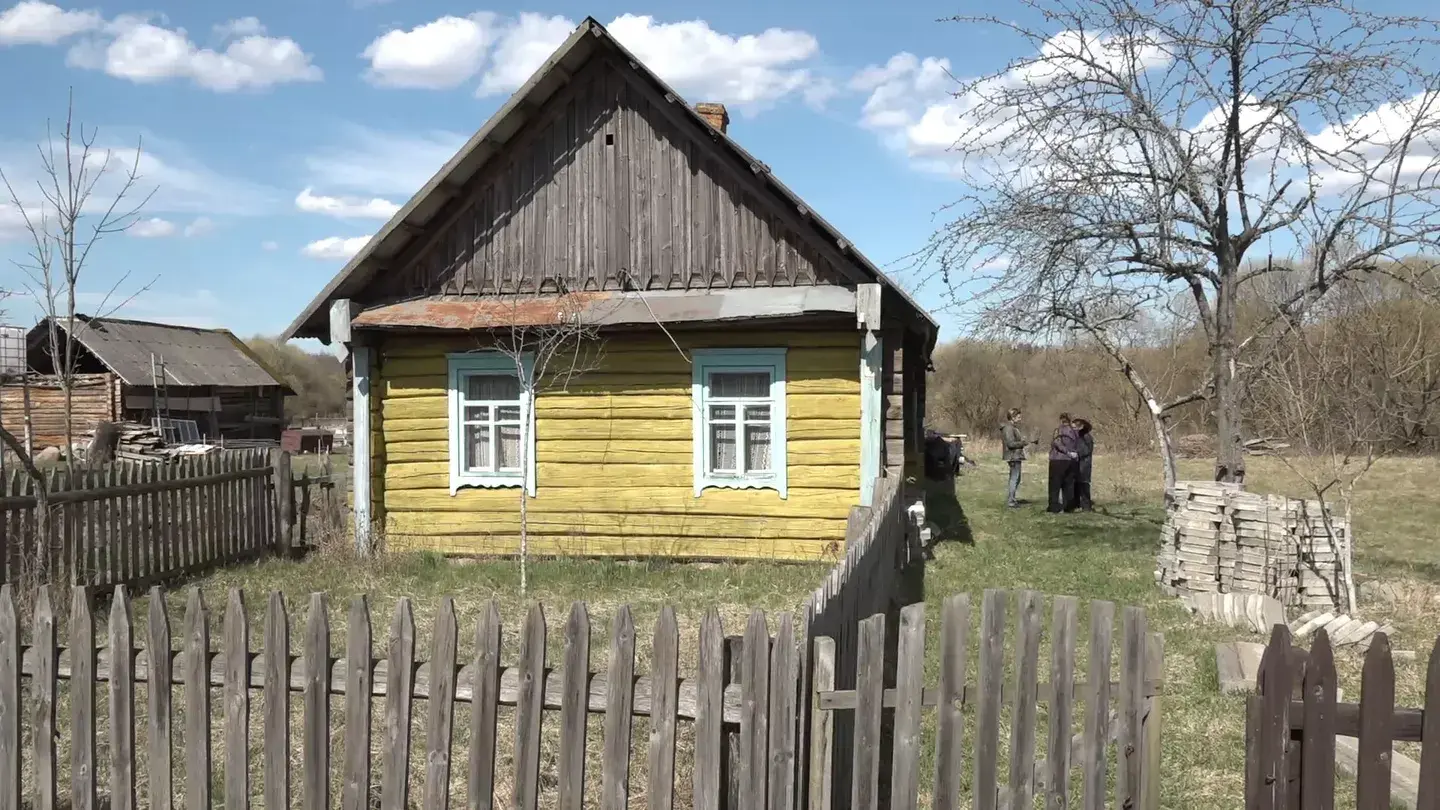
On 23 October 1943, Maya saw gas vans entering the ghetto. She warned her brother, and they decided to flee immediately. Through the cemetery, crawling under the barbed wire, they made it to the railway station. Other children followed – about twenty of them. The older boys carried the weakened, sick Maya on their shoulders. In this way they reached the village of Porechye, where the partisans were based.
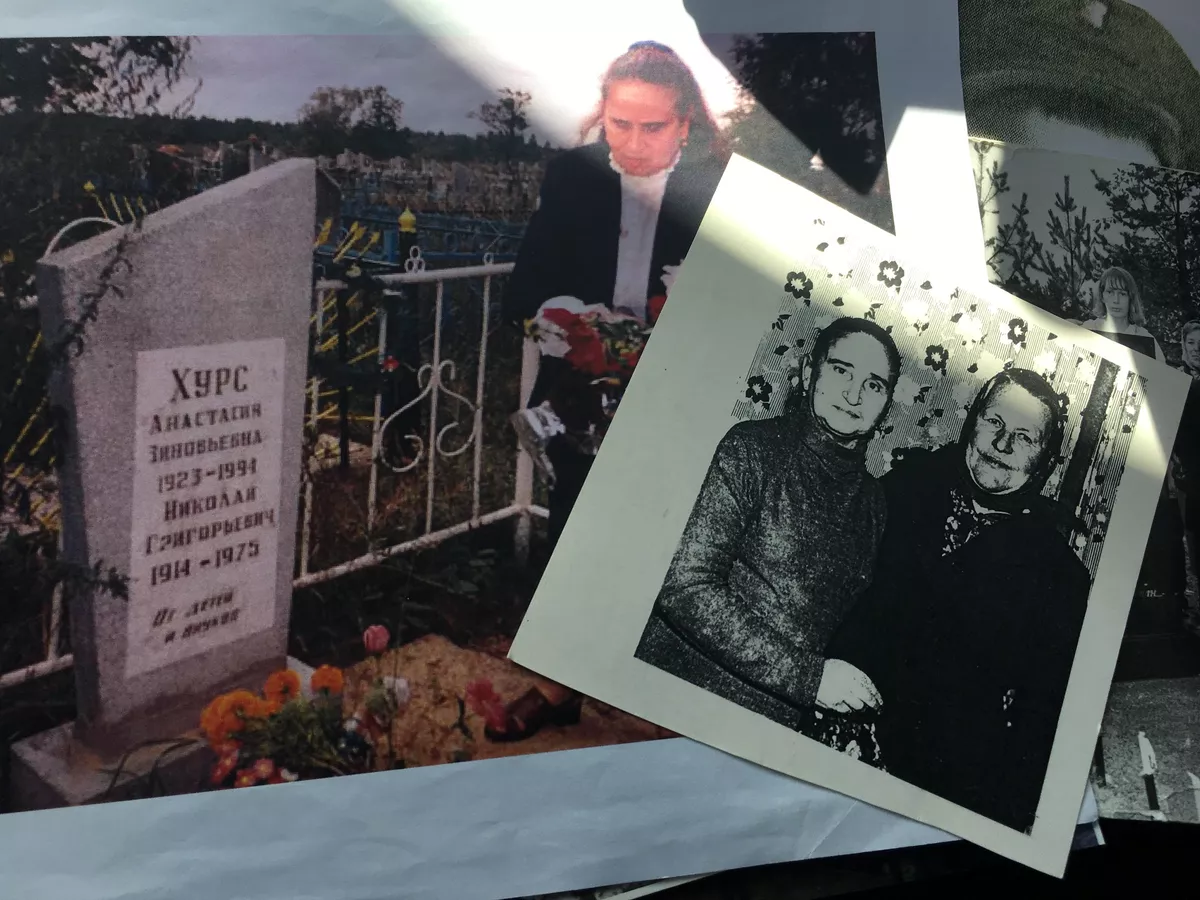
A local woman, Anastasia Zinovyevna Khurs, took Maya in.
"I probably wouldn't have survived if it weren't for Aunt Nastya," Maya later recalled. "She treated me like her own daughter. She didn't eat enough herself, but she tried to feed me. She nursed me and cared for me as best she could."
After the liberation of Belarus in the summer of 1944, Anastasia Khurs placed Maya in an orphanage. Later, she was found by her uncle, and then by her brother Iosif, who had gone through the war and become a son of his regiment.
The Path into Sport
After the orphanage, Maya left to study at a physical education college in Vitebsk. She first took up rhythmic gymnastics, but later switched to acrobatics – and this sport became her true calling.
In 1957, Maya married Igor Krapin. In 1958, their daughter was born. Maya worked as a coach at a children's sports school at the Palace of Pioneers in Vitebsk, passing on her love of sport to the younger generation.
The Moment of Glory
The year 1960 was a turning point in the lives of Maya and Igor. The couple performed successfully at the USSR Acrobatics Championship in Lviv and won the title of national champions. Maya was awarded the title of Master of Sport of the USSR.
That same year, they were invited to perform sports-acrobatic sketches on the Belarusian stage. The couple agreed and moved to Minsk, where they continued their studies by correspondence at the Institute of Physical Education.
From 1961 to 1981, Maya and Igor Krapin worked as artists with the Belarusian State Philharmonic, delighting audiences with their performances, which combined high-level sports technique with artistry.
Raising a New Generation
After retiring in 1981, Maya and Igor were invited to the Palace of Culture of Railway Workers in Minsk. There they became directors of the variety-circus ensemble "Tranzit", continuing to teach young people acrobatics and stagecraft.
Maya Krapina's contribution to the development of sport and culture in Belarus cannot be overstated. She raised more than one generation of athletes and performers, and her own journey – from survival in the ghetto to the championship podium – remains an example of incredible strength of spirit.
Recognition
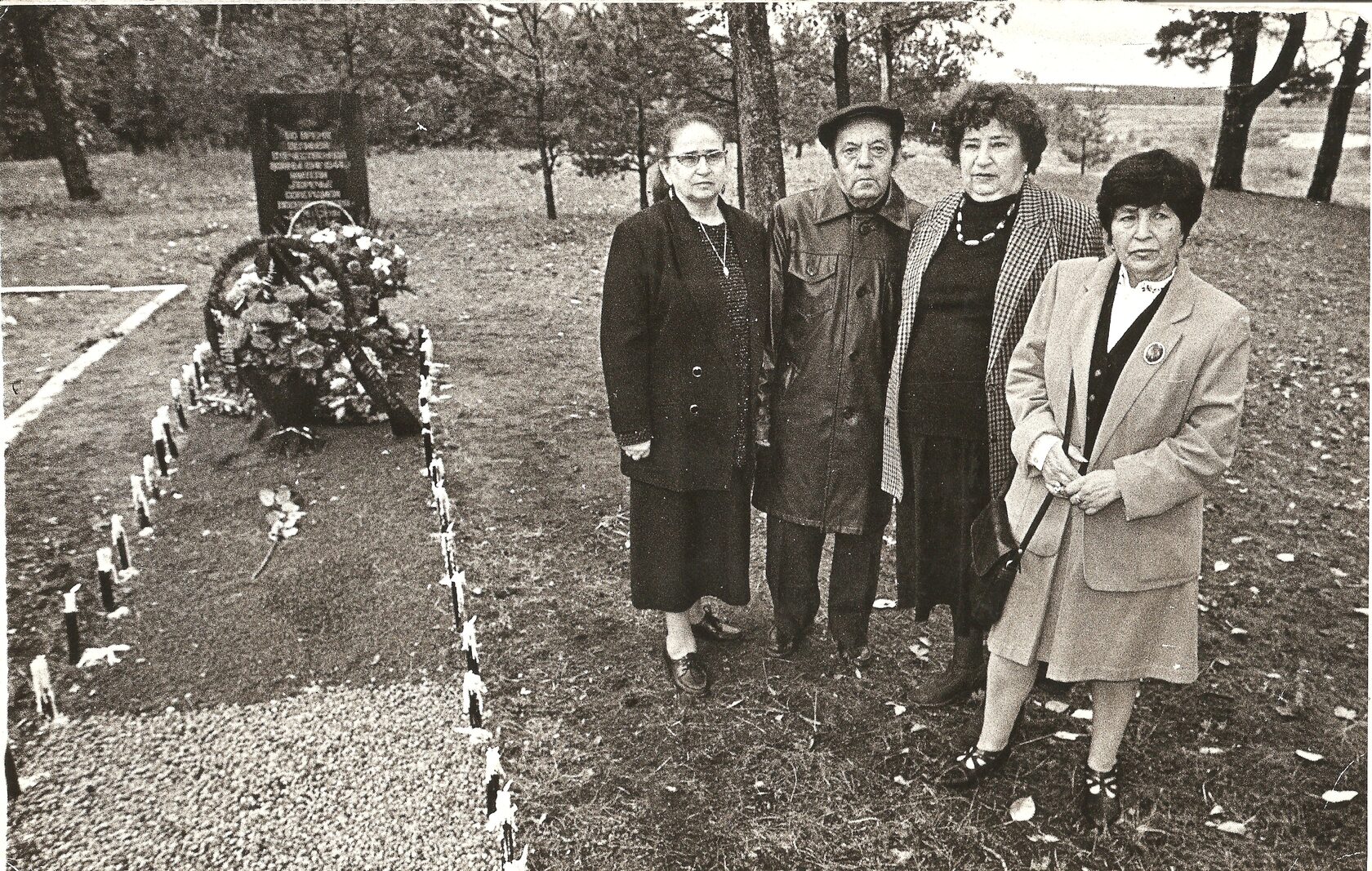
In 1994, the Yad Vashem Holocaust Memorial awarded Anastasia Khurs, Maya's rescuer, the honorary title of Righteous Among the Nations. In 2000, a monument was unveiled in the village of Porechye to the courageous people who saved Jewish children during the war.
Maya Krapina passed away on 29 July 2018, but her story and her sporting legacy continue to live on.